What maca root is
Maca (Lepidium meyenii) is a cruciferous plant native to the high-altitude Andes of Peru, where it has been cultivated as both food and traditional medicine for over 2,000 years. The hypocotyl (the root-like structure below the stem) is the part used medicinally — it is dried and ground into a powder or extracted into a concentrate. Maca grows at elevations between 4,000-4,500 metres above sea level, where the extreme cold, intense UV radiation, and thin air create one of the harshest growing environments of any cultivated plant.
The nutritional and biochemical complexity of Maca root is substantial: it contains glucosinolates, macamides, alkaloids, flavonoids, and significant amounts of iron, calcium, and potassium. This diverse phytochemical profile is believed to underlie its broad physiological effects, which have been classified as adaptogenic — meaning the root helps the body maintain equilibrium in response to physical and psychological stress.
Cortisol and weight gain
Cortisol is the body’s primary stress hormone, produced by the adrenal glands in response to physical or psychological stress. In short-term stress situations, cortisol is adaptive: it mobilises glucose for energy, suppresses inflammation, and prepares the body for a “fight or flight” response. However, in the context of chronic stress — which is characteristic of modern lifestyles including prolonged caloric restriction, work pressure, and inadequate sleep — chronically elevated cortisol has profoundly negative metabolic effects.
Chronically elevated cortisol directly promotes visceral fat accumulation, particularly in the abdominal region, through multiple mechanisms: it increases appetite (particularly for high-calorie, high-fat, and high-sugar foods), stimulates fat storage specifically in visceral adipose tissue through glucocorticoid receptor activation, causes muscle catabolism that reduces metabolic rate, and impairs insulin sensitivity. For people attempting to lose weight through caloric restriction, the stress of dieting itself elevates cortisol — creating a paradoxical hormonal environment that actively resists the intended fat loss.
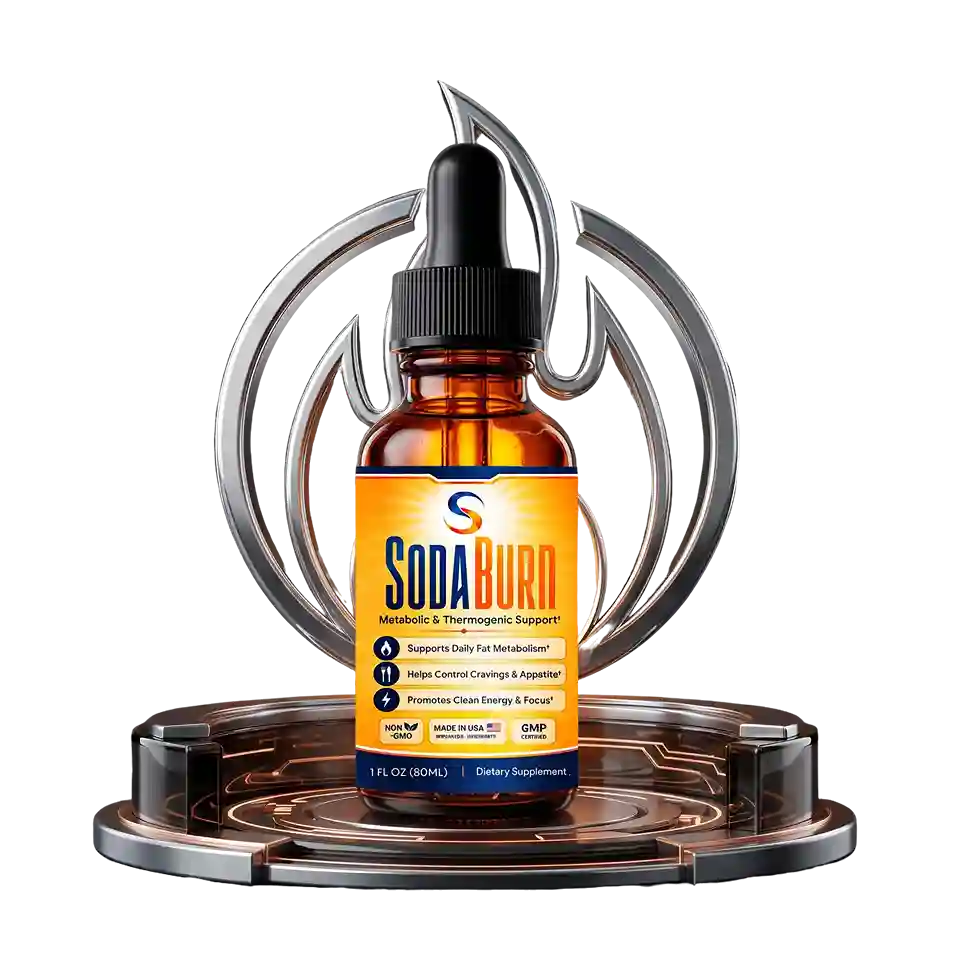
View the SodaBurn botanical formula and current pricing.
🌿 View SodaBurnMaca as an adaptogen
Adaptogens are botanical substances that help the body maintain homeostasis under conditions of stress — reducing the over-response of the stress hormonal system while supporting normal function under demand. Maca root meets the botanical definition of an adaptogen: it has a normalising effect on cortisol rather than simply suppressing it, meaning it helps excessive cortisol return toward normal range without impairing cortisol’s essential short-term stress response functions.
Published research on Maca and cortisol includes a randomised trial in postmenopausal women that found significantly lower serum cortisol and improved hormonal balance in Maca-treated subjects compared to placebo. Research in elite cyclists found that Maca supplementation improved performance measures and reduced physiological stress markers, consistent with adaptogenic cortisol modulation under conditions of physical stress — which dietary restriction also represents.
Energy and hormonal support
Beyond cortisol modulation, Maca root supports energy through its effects on the endocrine system more broadly. Research has found Maca to support healthy testosterone levels in men (without acting as a precursor hormone — it appears to work through the hypothalamic-pituitary axis rather than direct hormone conversion), which is relevant to the energy, motivation, and metabolic rate that adequate testosterone supports. In postmenopausal women, Maca has shown benefits for energy, mood, and hormonal balance in published trials.
The Maca alkaloids unique to the plant (macaridine, lepidiline A and B) appear to be the primary mediators of these hormonal effects, though the full mechanism is still being characterised in current research. What is consistent across the published literature is that Maca produces real, measurable improvements in energy, mood, and stress resilience — precisely the dimensions most undermined by the physiological stress of caloric restriction and dieting.
Maca root in SodaBurn
Within SodaBurn’s six-ingredient botanical formula, Maca Root Extract occupies a unique role: it is the only adaptogenic ingredient, providing stress hormone management that the thermogenic actives (Green Tea, Guarana) and appetite regulators (Chromium, African Mango) do not address. By moderating cortisol, Maca reduces the hormonal obstacle that undermines fat loss in stressed dieters — the tendency for caloric restriction itself to elevate cortisol and promote visceral fat storage. This mechanism is particularly valuable for people who have struggled to lose abdominal fat despite otherwise disciplined dietary and supplement approaches.
More articles
More on the SodaBurn blog. Official site for pricing.